
Marshes, Mangroves, Meadows: Ask MIT Climate Podcast Dives into Julie Simpson’s Work

Ask MIT Climate Podcast — Salt marshes humming with insects and birds. Mangrove forests with tangled, arching roots. Seagrass meadows that blanket the ocean floor. The world’s coastal saltwater wetlands provide shelter for wildlife, purify water, and protect seaside infrastructure. And as Dr. Julie Simpson of MIT tells us, they also have a climate superpower: drawing down and locking away extraordinary amounts of planet-warming carbon dioxide.
Dr. Julie Simpson is a coastal aquatic ecologist with MIT Sea Grant. She also co-instructs a course on climate and planetary health through the MIT D-Lab. Her interests include the effects of climate change on salt marshes and other coastal habitats, the ecology and physiology of fresh- and saltwater plants and algae, water quality regulation, and the transport of pollutants like nutrients, metals, and pharmaceuticals to the coastal ocean.
>Listen to the Episode: Marshes, Mangroves, Meadows (Ask MIT Climate Podcast)
Excerpt from the Episode:
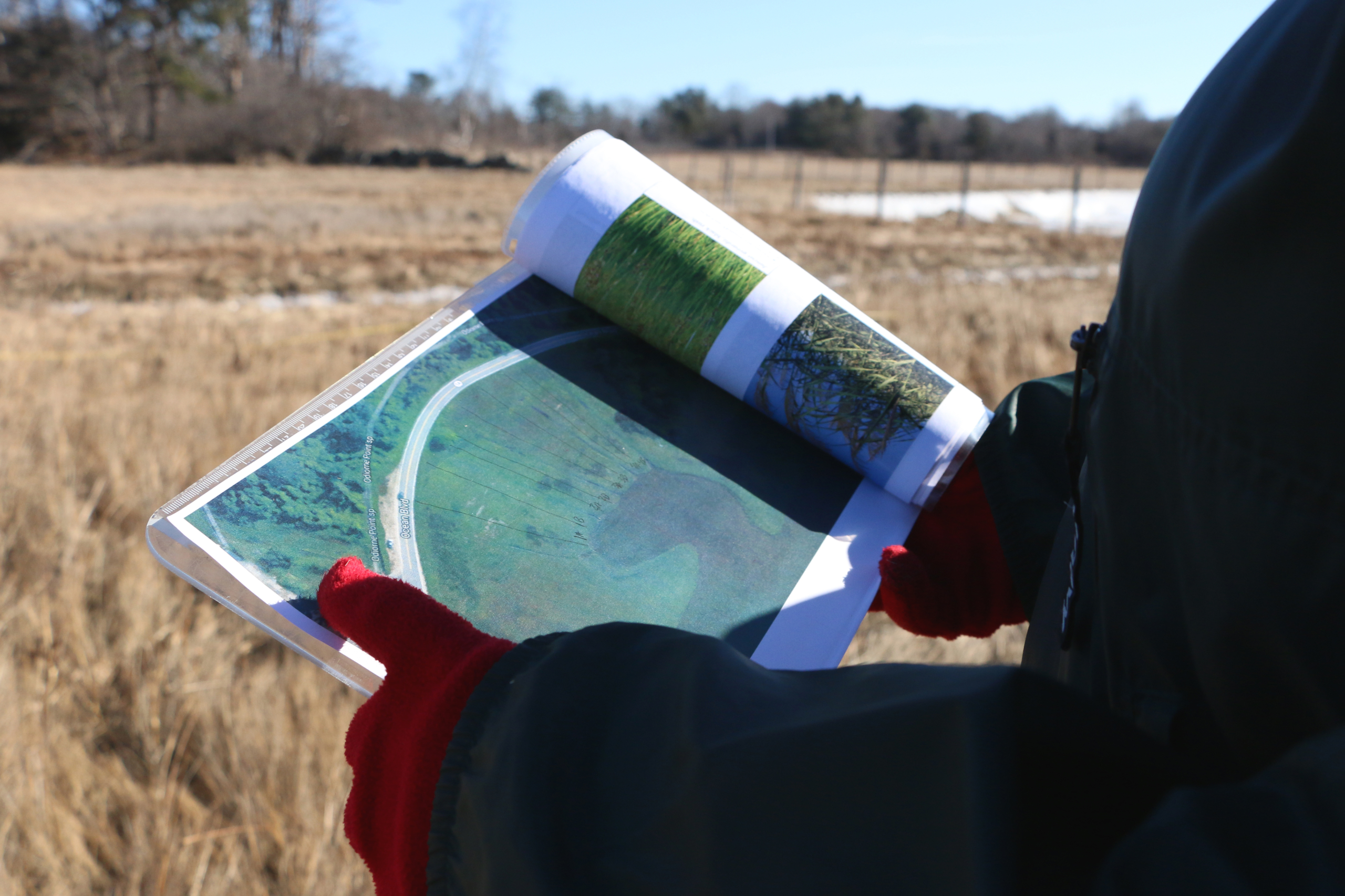
Madison Goldberg: “So, you might know that people are working to protect and restore forests to help address climate change. That’s because trees pull carbon dioxide out of the air as they grow. Some of that carbon becomes part of their trunks and roots and soil—instead of hanging around in the atmosphere and warming our planet. But forests aren’t the only ecosystems that can do this.”
Julie Simpson: “There is absolutely carbon in forest soils, and it is being sequestered and being held away. It’s just that salt marshes are—it’s their superpower. They’re really, really great at it…Oh, my goodness, there are so many reasons to care. One of the major things that marshes do, they purify the water. Petroleum and oil products from cars that run off on streets, dog poop, trash, all that stuff ends up in a river, and that river might end up running through a marsh. If the river just goes straight out to the ocean, all that stuff just goes out to the ocean and pollutes the ocean. So what marshes do, one really important service that marshes provide for us, is they trap a lot of pollutants.
Coastal wetlands provide protection against waves and storm surge and the damage that those things can cause. So if you get a big storm coming in, if you have a large marsh protecting your infrastructure, your railroads, your homes, your roads, your electrical lines, your sewers, things like that—the marsh can not only slow down the waves, it absorbs a lot of the energy, and in some cases, it can also absorb a lot of the water.”
Credits:
- Aaron Krol, Executive Producer
- Madison Goldberg, Host, Writer, and Associate Producer
- David Lishansky, Editor and Producer
- Michelle Harris, Fact-checker
- Music by Blue Dot Sessions
The Ask MIT Climate Podcast also gratefully acknowledges Heidi Nepf, Donald and Martha Harleman Professor of Civil and Environmental Engineering at MIT; Nepf Lab Ph.D. student Ernie Lee; and MIT undergraduate student Joyce Yambasu for additional assistance and participation in this episode.